Discover the latest 2026 science on gut health. Learn how probiotics, prebiotics, and lifestyle habits improve digestion, immunity, and mental health.
Introduction
Did you know that your gut houses over 100 trillion microorganisms — more than the number of stars in the Milky Way? This complex ecosystem, called the gut microbiome, influences everything from digestion to mood, immunity, and even weight management. In 2026, gut health is no longer a wellness trend — it’s a medical priority.
Poor gut health has been linked to irritable bowel syndrome (IBS), anxiety, depression, autoimmune diseases, and chronic fatigue. The good news? You can transform your gut in as little as 2–4 weeks with targeted dietary and lifestyle changes.
In this comprehensive guide, we’ll break down:
What the gut microbiome really does
Probiotics vs. prebiotics (and why you need both)
Top gut-healing foods
Signs of an unhealthy gut
A 7-day gut health reset plan
Let’s dive into the science-backed strategies that will restore your digestive fire and overall vitality.
Understanding Your Gut Microbiome
The gut microbiome refers to the trillions of bacteria, viruses, fungi, and other microbes living in your digestive tract, primarily the large intestine. While some bacteria can cause disease, most are essential for health.
Key functions of a healthy microbiome:
Digestion: Breaking down fiber, proteins, and fats
Vitamin production: Synthesizing B vitamins and vitamin K
Immune regulation: 70–80% of immune cells reside in the gut
Gut-brain axis: Producing neurotransmitters like serotonin (90% of your body’s serotonin is made in the gut)
When the microbiome is balanced (high diversity of beneficial bacteria), you experience regular bowel movements, stable energy, clear skin, and a positive mood. When imbalanced (dysbiosis), inflammation rises, and chronic conditions can develop.
Factors that damage gut health:
- Chronic stress
- Low-fiber, high-sugar diets
- Overuse of antibiotics
- Lack of sleep
- Sedentary lifestyle
Understanding this foundation helps explain why probiotics and prebiotics are so powerful.
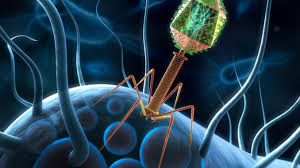
section 2: Probiotics — The Good Bacteria
Probiotics are live beneficial bacteria that you can ingest through fermented foods or supplements. They help restore and maintain a healthy microbiome.
Best food sources of probiotics:
-
Yogurt (with live active cultures)
-
Kefir
-
Sauerkraut (refrigerated, not canned)
-
Kimchi
-
Kombucha
-
Miso and tempeh
-
Pickles (naturally fermented)
Top probiotic strains and their benefits:
| Strain | Benefit |
|---|---|
| Lactobacillus rhamnosus GG | Reduces diarrhea, supports immunity |
| Bifidobacterium longum | Alleviates IBS, anxiety |
| Saccharomyces boulardii | Prevents antibiotic-associated diarrhea |
| Lactobacillus acidophilus | Improves lactose digestion |
How to choose a probiotic supplement:
-
Look for CFU count (5–50 billion CFU for general health)
-
Ensure multiple strains (at least 5–10)
-
Check expiration date — live bacteria die over time
-
Refrigerate if required
When to take probiotics: On an empty stomach, 30 minutes before a meal, or as directed on the label.
Note: Probiotics can cause temporary bloating or gas when first introduced. Start with a low dose and increase gradually.
Section 3: Prebiotics — Food for Good Bacteria
Prebiotics are types of dietary fiber that feed the beneficial bacteria in your gut. Without prebiotics, probiotics cannot thrive long-term.
Top prebiotic foods:
-
Garlic
-
Onions
-
Leeks
-
Asparagus
-
Jerusalem artichokes
-
Dandelion greens
-
Bananas (slightly green)
-
Oats
-
Apples (with skin)
-
Flaxseeds
How prebiotics work: They resist digestion in the small intestine and reach the colon intact, where gut bacteria ferment them into short-chain fatty acids (SCFAs) like butyrate, acetate, and propionate. SCFAs reduce inflammation, strengthen the intestinal lining, and regulate appetite.
Daily prebiotic target: 5–10 grams (e.g., one medium onion + one green banana + 2 tbsp flaxseeds)
Caution: People with IBS or FODMAP sensitivity may experience gas from certain prebiotics. Start with small amounts (1–2 grams) and increase slowly.
Synbiotics: Products that combine both probiotics and prebiotics — an efficient way to support gut health.
Section 4: 7 Signs of an Unhealthy Gut
Your body often sends clear signals when your microbiome is out of balance. Watch for:
-
Chronic digestive issues — Bloating, gas, diarrhea, constipation, or heartburn
-
Frequent infections — Colds, flu, or yeast infections due to weak immunity
-
Skin problems — Acne, eczema, rosacea, or psoriasis
-
Unexplained fatigue — Even after 7–8 hours of sleep
-
Food intolerances — New reactions to dairy, gluten, or eggs
-
Mood disorders — Anxiety, depression, or brain fog
-
Sugar cravings — Harmful bacteria thrive on sugar and manipulate your cravings
If you experience three or more of these consistently, a gut reset is recommended. However, always consult a gastroenterologist if symptoms are severe or include blood in stool or unexplained weight loss.
Section 5: 7-Day Gut Health Reset Plan
This simple protocol restores microbial diversity in one week.
Daily non-negotiables:
-
2 probiotic foods (e.g., yogurt + sauerkraut)
-
3 prebiotic foods (e.g., garlic, onion, oats)
-
8–10 glasses of filtered water
-
7–8 hours of sleep
-
10 minutes of stress reduction (deep breathing or meditation)
Sample day:
-
Breakfast: Greek yogurt with green banana slices + flaxseeds
-
Lunch: Quinoa bowl with roasted asparagus, garlic, chickpeas, and kimchi
-
Snack: Kefir smoothie with oats
-
Dinner: Grilled salmon, steamed broccoli, and a side of fermented pickles
-
Evening: Herbal tea (peppermint or ginger)
Foods to avoid
-
Added sugars and artificial sweeteners
-
Processed meats
-
Refined grains (white bread, pasta)
-
Fried foods
-
Excess alcohol
Optional support: Take a high-quality probiotic (20–50 billion CFU) each morning.
By day 5–7, most people notice reduced bloating, more regular bowel movements, clearer skin, and stable energy.
Section 6: Lifestyle Factors for Long-Term Gut Health
Diet alone isn’t enough. These habits sustain a healthy microbiome:
1. Manage chronic stress — Cortisol damages the gut lining. Try daily meditation, yoga, or nature walks.
2. Prioritize sleep — Circadian disruption alters gut bacteria. Go to bed and wake up at the same time daily.
3. Exercise moderately — Aerobic exercise increases beneficial bacteria like Faecalibacterium prausnitzii. Aim for 150 minutes/week.
4. Avoid unnecessary antibiotics — Only take when prescribed. After antibiotics, double down on probiotic and prebiotic foods.
5. Spend time outdoors — Exposure to soil microbes and pets increases gut diversity.
6. Chew your food thoroughly — Digestion begins in the mouth. Chewing 20–30 times per bite reduces gut stress.
Conclusion
Your gut is the epicenter of your physical and mental health. By incorporating probiotics, prebiotics, and the lifestyle habits outlined above, you can rebalance your microbiome in just one week. Start with small changes — add one fermented food daily, then gradually increase fiber diversity. Within a month, you’ll likely notice better digestion, sharper focus, stronger immunity, and even a brighter mood.